UCD
Meteorology and Climate Centre
School of Mathematical Sciences


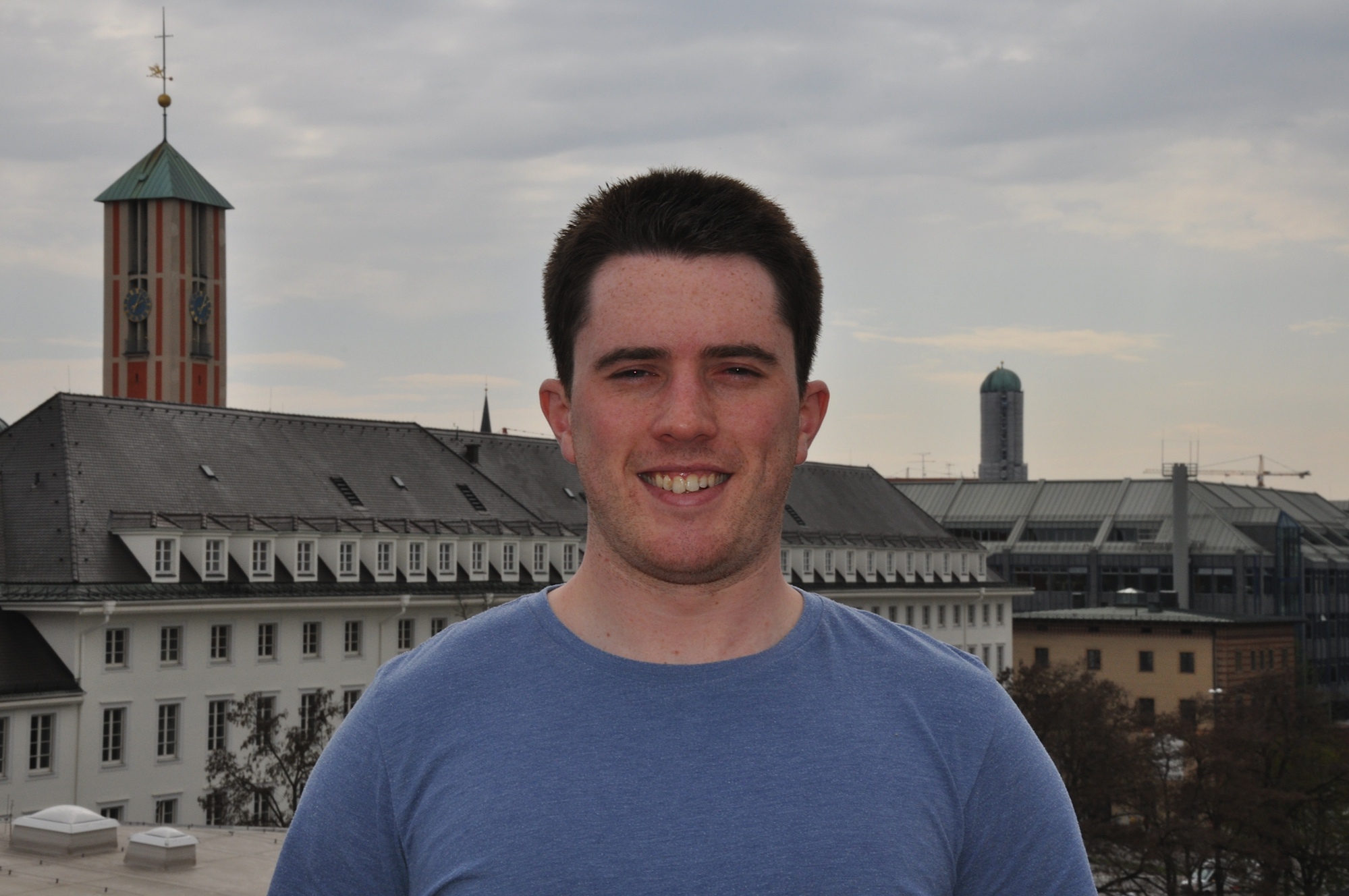
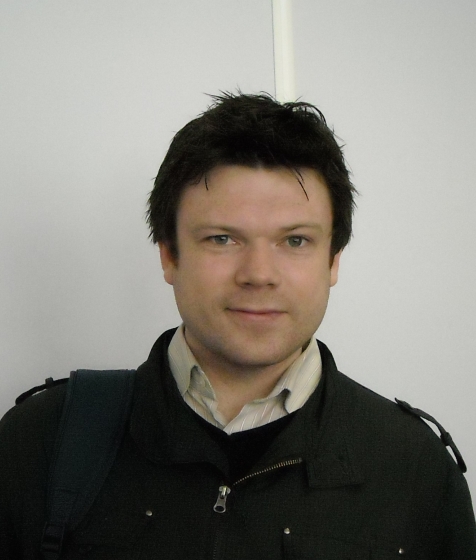
"I completed an undergraduate course in Maths/Physics in UCD. I found what I'd learned to be very abstract and difficult to connect to the real world. This is where the Meteorology M.Sc. really reached out to me. It attached all those equations and theories I'd learned to something interesting and dynamic, giving more meaning and direction to my studies.
I'm currently undertaking a Ph.D. in numerical cloud modelling at LMU in Munich. During my masters I had the opportunity to work with the WRF weather forecasting model for my thesis. I took an instant liking to working with computer models and my tutor, Dr. Paul Nolan, was immensely helpful. After I handed the thesis in I decided I wanted to do more, and found a position where I analyse the dynamics of convective clouds, in the hope of understanding the birth of hurricanes. I am lucky to have arrived at such an interesting and topical area of research.
The M.Sc. course was very enjoyable and practical, and being in a small class you really get to know your classmates and make some good friends. There is a wide diversity in the course as there is a good mix of dynamical meteorology, climate dynamics, forecasting and numerical weather prediction. The course was sometimes challenging but always interesting and if you are ever stuck you will easily find some help. One thing I found after starting my Ph.D. is that the professors from this course are internationally recognised and respected. Once I mention I was taught by Prof. Bates and Prof. Lynch I am always asked questions and told to say hello the next time I visit home.
The forecasting week gave us a chance to understand a day in the life of a weather forecaster. Gerry Fleming and Evelyn Cusack shared their wealth of knowledge with us and we visited the offices at RTE and watched how they prepared a live forecast. We also got to perform our own forecast and quickly found out it wasn't as easy as it looked!"
After completing an undergrad in Physics/Maths, I wanted to further my studies and aim towards the environmental sector. I had researched a number of universities and found the MSc in Meteorology quite appealing. It seemed to have a nice balance of the theoretical and the practical and I was delighted to be accepted for a place there.
The course was very enjoyable with a good mix of theory and applications and, being in a small class, we benefitted more from the excellent tuition and guidance provided by the lecturers.
After graduating, I worked as a financial engineer for an investment bank before moving into the renewable energy sector where I now work as a wind analyst.
My time at UCD gave me valuable knowledge of meteorological systems and the physical processes of the atmosphere. The practical forecasting course and experience gained during the thesis project work have really helped me in my chosen career. I am lucky now to be in a job that I enjoy in a growing industry, and I can say that I am doing my bit to fight climate change.
In September 2008, I commenced studying the one thing I have always wanted to learn about the most, Meteorology … Although it was difficult returning to an academic environment, it has been perhaps the best decision I have made, and now one year later I am working and training as a Meteorologist. It was worth every bit of hard work.
Returning to study was quite difficult, and having just a maths background, and not physics or engineering, was pretty tough. I needed to do a lot of extra work to catch up. I was very fortunate to have had some amazing tutors and lecturers and all I needed to do was ask for help, and it was readily available.
The course is designed to build on each subject, and is actually probably one of the few courses where every aspect of what you have learned is put into practice in the work environment. I remember back to some lectures wondering would I ever make use of any of the information, but I actual do and on a daily basis.
My new job is very busy, but I love it. I have basically been building on information from the course and there is still plenty more to learn! It's great to have found a job I like going into everyday, and will hopefully be doing it for a long time to come.
I enrolled in the M.Sc. program at UCD slightly apprehensively, having no clue about meteorology, but it turned out great. There were three main lecturers, all with their own style. They were great at helping us look at the subject from different perspectives.
The course started off with 'Dynamic Meteorology', a real test of maths skills but Prof Bates, our lecturer, was the one who discovered some of the things we learned about! 'Physical meteorology' answered many questions that one encounters in every day life.
We had climate dynamics in the second semester. It's surprising how complex and sensitive the climate system is, and the course was extremely up to date. For anyone interested in climate change, a lot of questions will be answered. In the numerical weather prediction course, you get a taste of modelling the atmosphere, a process that I still find extremely impressive. The best thing about the course was its diversity.
I'm currently pursuing a PhD in cloud modelling at the University of Hawaii. I'll hopefully be contributing to our understanding of clouds and integrating that understanding into the weather models. I'm excited about making advances in the field in future years, and seeing where meteorology can take me.
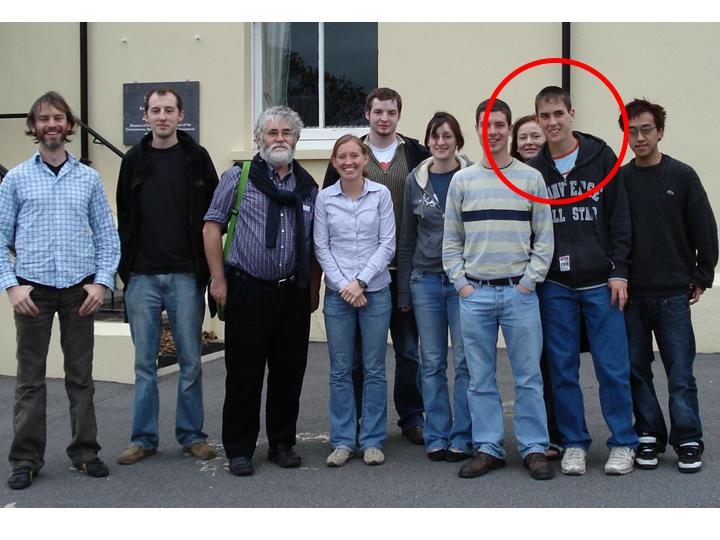
I completed an MSc in Meteorology from the Meteorology and Climate Centre at UCD in 2009. I enjoyed my time at UCD both in the lecture theatres and out. The class size was small which allowed us to become good friends and help each other out.
The lecturers were friendly and always available if you had any questions or needed help. I also joined a sports club, Ultimate Frisbee, which was an excellent way to get more involved with life at UCD.
Since completing my MSc I have started a job as a Marine Meteorologist. This has allowed me to use some of the knowledge I learned in lectures at UCD, particularly Synoptic Meteorology, and learn new skills. My job has been tough to start with but thoroughly enjoyable.
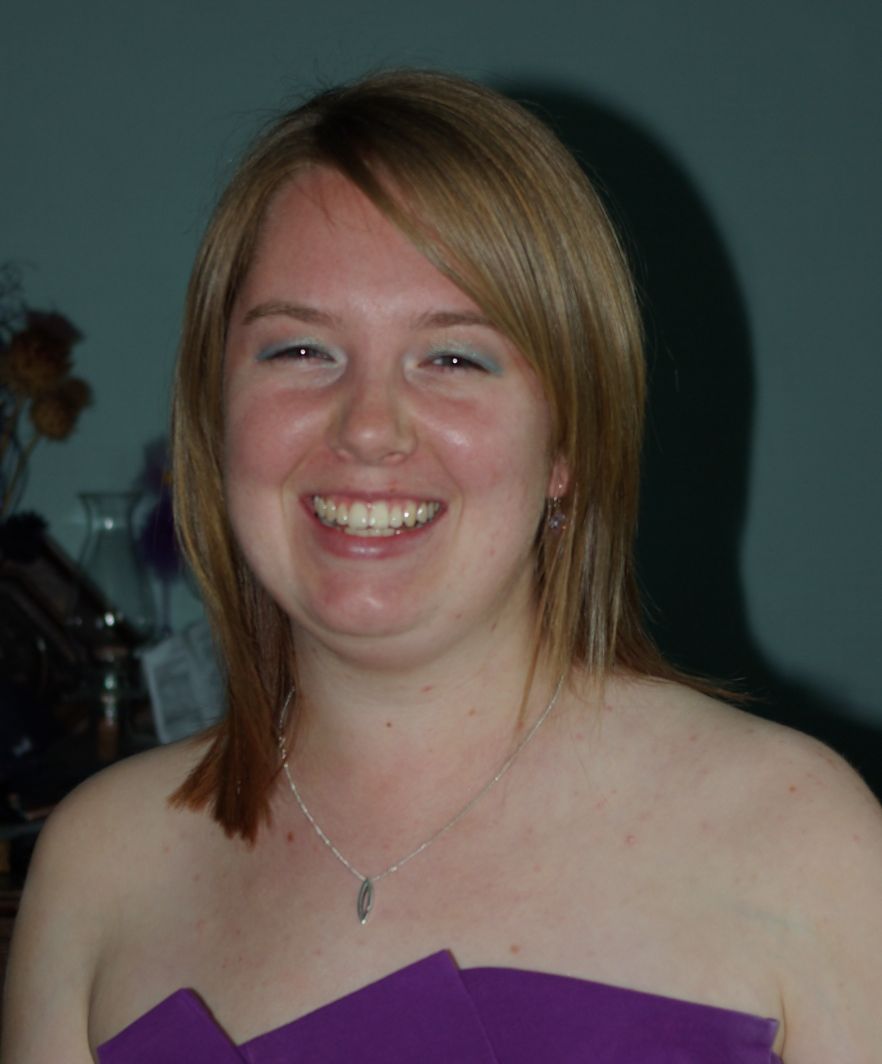
I did the MSc in Meteorology, within the school of Mathematical Sciences at UCD after a degree in physics from Trinity College. The course gave a good theoretical and practical foundation in different areas of Meteorology. The dynamical, physical, numerical weather prediction and climate theoretical modules were complemented by a synoptic meteorology session.
During an intensive forecasting week, real weather charts were analysed in many different types of ways, putting theory into practise, and had to give a weather report at the end of the week. A trip to Valentia Observatory gave an opportunity to launch a radiosonde and to see a weather station. The research projects can cover any aspect of meteorology that one finds interesting; mine was on the regional local winds of the Mediterranean sea.
I have just started my second year of PhD in ice sheet modelling, at Swansea University. My first year gave me a fantastic opportunity to spend some time in Svalbard, in the Arctic.
I enjoyed the course and my time at UCD. There was a good atmosphere within the group and with the members of staff.
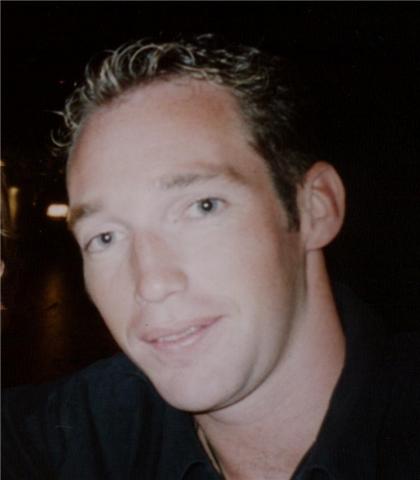
Under a Met Éireann/UCD collaboration, I was lucky enough to be accepted into the MSc in Meteorology. Having graduated from an MSc five years previously, I was the envy of my friends becoming a student again.
The course was thoroughly enjoyable with a mix of lectures, tutorials and practical sessions. An end of year project gave you the opportunity to concentrate on the area of the course that you found most interesting. It is one of the few courses out there where staring out of the library window at clouds counts as study!
I now work as the Chief Scientist at Met Éireann's Valentia Observatory. This job requires abilities across multiple disciplines. Report writing and presentations skills learnt during my MSc provide a solid foundation when I present to the international scientific community.
The great thing about this job is its diversity. One day I will be re-programming the software that monitors weather balloons, the next I could be analysing ozone data or writing a scientific document on climate change. I'm fortunate enough to be in a position where I use the knowledge I gained through the MSc in Meteorology on a daily basis.